Research at South Carolina
Research is a learning tool of the highest order at the University of South Carolina. Discovery allows us to illuminate history, contextualize the present, and help plan for what’s to come.
Scientific research, scholarship and creative activity abound throughout USC. That focused presence within nearly all colleges, departments and campuses of the state’s flagship university is one reason USC has earned the top research designation from the Carnegie Foundation.
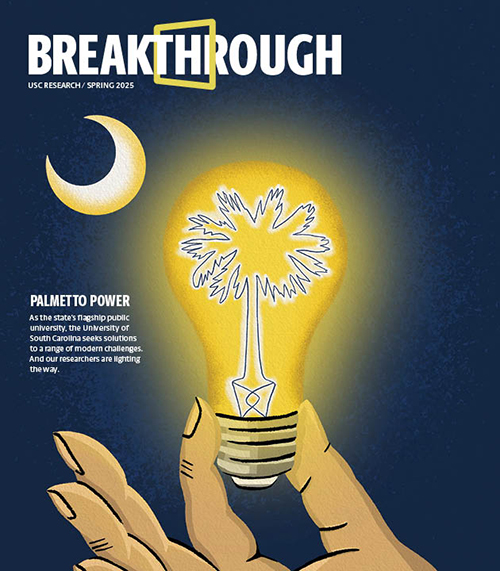
-
Future focused.
USC is home to interdisciplinary expert research teams that are exploring solutions to five scientific and societal challenges facing South Carolina. Their discoveries can have wider implications — benefitting any state grappling with these significant scientific and societal challenges.
Research Institutes -

-
-

-

-

Research Spotlights
-
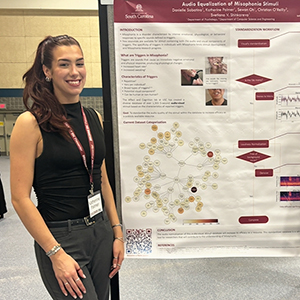
Discover USC student Katherine Palmer looks back
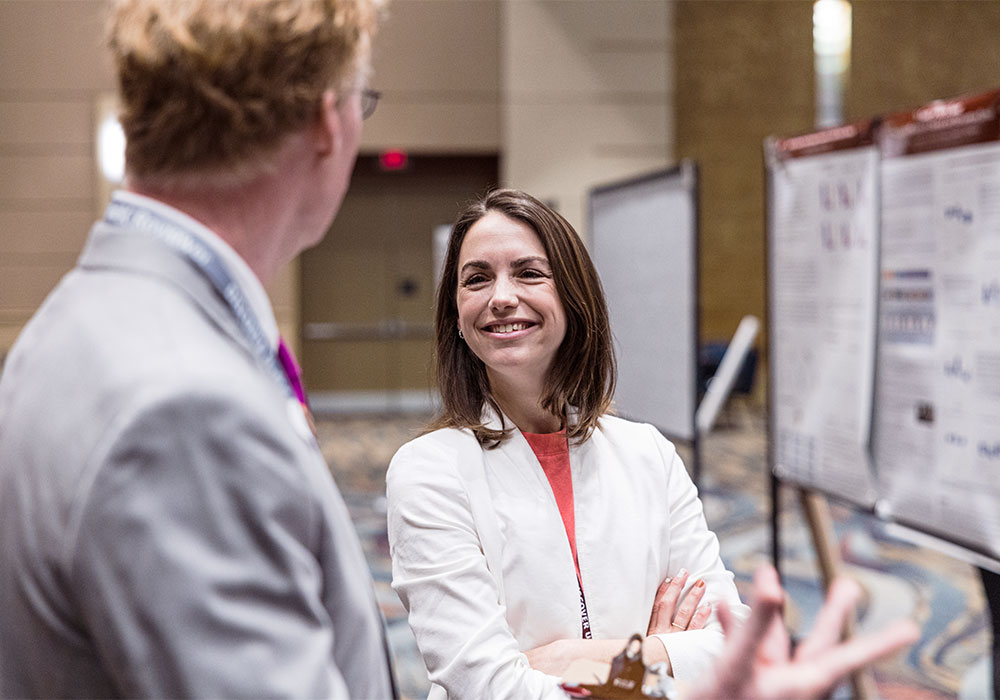
Each year, Discover USC presents more than 1,000 research projects covering hundreds of subject areas and students from all areas of the university. We reached out to a student who previously participated to learn what the experience is like. Psychology senior Katherine Palmer reflects on what she gained from presenting her research on misophonia.
-
Board briefs: USC trustees approve projects, receive master plan update, honor US and university anniversaries
What the USC Board of Trustees approved at their March meeting — including new construction and renovation projects, various contracts, academic changes, and housing and meal fees.
-

The long history of silent meditation retreats
Silent meditation and silent prayer have shaped spiritual lives within a variety of religious traditions for thousands of years. Today, however, those practices are often being offered in secular settings. Daniel M. Stuart, an associate professor of religious studies at USC, writes for The Conversation about emerging trends in secular meditation practices.
-

USC's new Brain Health Center brings leading-edge brain imaging, cognitive care under one roof
USC marked a major milestone in providing specialized cognitive care at a ribbon cutting for its Brain Health Center on the Health Sciences Campus on Wednesday. The facility is designed to deliver exceptional diagnostic, treatment and support for patients living with cognitive conditions, including Alzheimer’s disease and related dementias.
Let's build a better world.
The resources of the University of South Carolina are poised to address local and global challenges. We work with public and private collaborators to provide our researchers with the resources and infrastructure they need to make a difference.
Partnership Opportunities